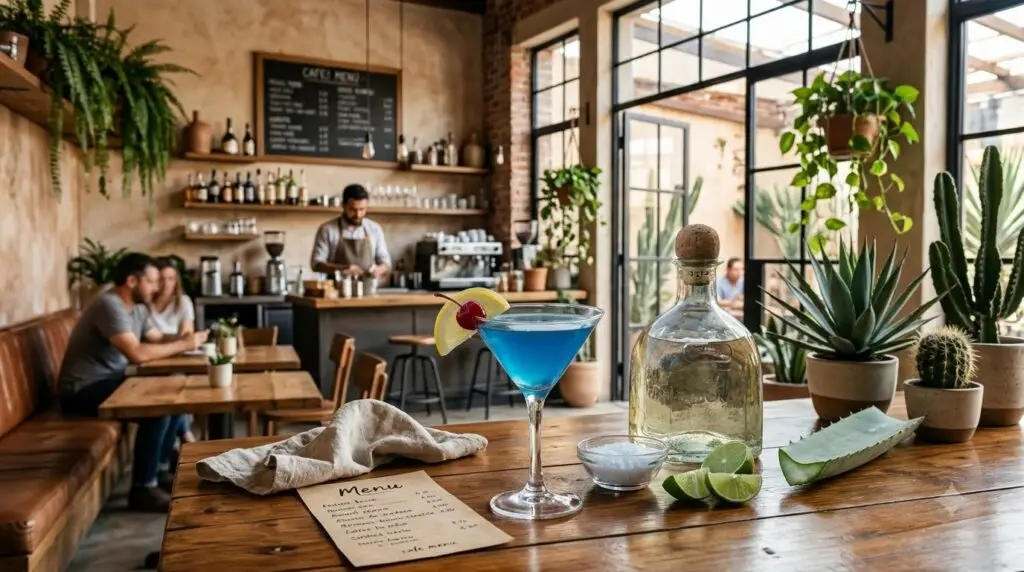
That clear pour in your margarita started years before anyone reached for a shaker. Before tequila reaches your glass, blue agave has to be grown, harvested, cooked, crushed, fermented, distilled and, depending on the style, aged in wood. It’s a process that combines agriculture, chemistry, craftsmanship and strict Mexican production rules.
This guide follows tequila from the agave field to the bottle, explains what the words on the label actually mean and clears up a few popular myths along the way.
How Is Tequila Made? (Quick Answer)
Tequila is made by harvesting mature blue Weber agave, cooking the agave hearts to turn their carbohydrates into fermentable sugars, extracting those sugars, fermenting them with yeast and distilling the result. The spirit is then bottled young as Blanco or aged in oak to become Reposado, Añejo or Extra Añejo.
The main stages are:
- Growing blue Weber agave
- Harvesting the agave (the jima)
- Cooking the agave
- Extracting the sugars
- Fermenting
- Distilling
- Aging, for some styles
- Filtering, bottling and labeling
What Legally Counts as Tequila?
Tequila is a protected Mexican spirit. It can’t be made from just any agave, anywhere, and still carry the name. Under Mexico’s official tequila standard, NOM-006-SCFI-2012, and the oversight of the Tequila Regulatory Council (Consejo Regulador del Tequila, or CRT), tequila must:
- Be made from Agave tequilana Weber blue variety
- Be produced within the protected Tequila Denomination of Origin
- Follow the official production, composition and labeling rules
The protected area covers 181 municipalities in five states:
| State | Municipalities |
| Jalisco | 125 |
| Michoacán | 30 |
| Tamaulipas | 11 |
| Nayarit | 8 |
| Guanajuato | 7 |
| Total | 181 |
So tequila isn’t just a style of alcohol. Its name is tied to where and how it’s made.
How Tequila Is Made, Step by Step
Step 1: Growing the Blue Agave
Every tequila starts with Agave tequilana Weber blue variety. Despite its spiky look, agave is a succulent, not a cactus. Above ground it forms a dramatic cluster of long, pointed leaves. Below them sits the dense heart that will become tequila. The plant takes years to mature, and climate, soil, elevation, rainfall, farming practices and maturity at harvest all shape the raw material. Long before yeast or oak barrels are involved, tequila is an agricultural product.
Step 2: Harvesting the Agave (the Jima)
When the agave is ready, skilled workers called jimadores harvest it. They cut away the long leaves, called pencas, leaving the heavy heart of the plant. Because of its rounded shape, the heart is called a piña, Spanish for pineapple. The piña holds the carbohydrates the distillery needs, but yeast can’t ferment them yet.
Step 3: Cooking the Agave
Raw agave can’t simply be squeezed into tequila. Its complex carbohydrates, including inulin, must first be converted into fermentable sugars through hydrolysis, usually by cooking the piñas under controlled heat in traditional ovens or modern autoclaves. Cooking also shapes flavor, creating cooked-agave, caramelized, earthy, vegetal and sweet notes that can carry through to the finished spirit.
Step 4: Extracting the Sugars
The cooked piñas are shredded, crushed or milled to separate the sugary liquid from the fiber. Producers may use shredders and roller mills, and some still use a traditional volcanic stone wheel called a tahona. The result is the sugar-rich liquid that goes into fermentation.
Step 5: Fermentation
The agave liquid goes into fermentation tanks, where yeast turns the sugars into alcohol and carbon dioxide. Fermentation also creates many of the aromas and flavors in the finished tequila, so choices about yeast, temperature, tanks and timing help explain why one distillery’s tequila tastes fruity and floral while another’s leans peppery, herbal or earthy.
For tequilas that aren’t 100% agave, this is also where a formulation step comes in: other permitted sugars are added to the agave sugars before fermentation (more on that below).
Step 6: Distillation
The fermented liquid is heated so alcohol and other aromatic compounds vaporize at different temperatures, then the vapors are collected and condensed back into liquid. The CRT describes tequila distillation as a two-stage process, usually done in stills, though distillation columns can also be used. Distillers decide which portions of each run to keep, and those decisions shape the spirit’s aroma, texture and flavor. At this point, the producer has the foundation for Blanco tequila.
Step 7: Aging in Wood
Time in oak or holm oak creates tequila’s aged styles. The wood adds flavor and the spirit slowly changes as it rests. Mexican regulations define these classes:
| Class | Aging Requirement |
| Blanco / Plata | Bottled young; may rest less than 2 months in oak |
| Joven / Oro | A blend of Blanco with aged tequila, or a permitted Joven treatment |
| Reposado | At least 2 months in oak or holm oak |
| Añejo | At least 1 year in oak or holm oak containers of 600 liters or less |
| Extra Añejo | At least 3 years in oak or holm oak containers of 600 liters or less |
Step 8: Filtering, Bottling and Labeling
Finally, the tequila may be filtered and adjusted to bottling strength. The official standard allows tequila between 35% and 55% alcohol by volume. Each bottle must carry compliant labeling, including the NOM number that identifies the certified producer.
100% Agave vs Tequila: Category vs Class
Two different labels sit on every bottle, and they mean different things.
The category tells you where the sugars came from:
- Tequila 100% agave: all sugars come from blue Weber agave.
- Tequila: at least 51% of the sugars come from blue Weber agave, and up to 49% can come from other permitted sugars.
The class tells you how it was aged: Blanco, Joven, Reposado, Añejo or Extra Añejo.
So a bottle can be “100% agave Blanco,” “100% agave Reposado” or “100% agave Añejo.” “100% agave” says nothing about aging, and “Añejo” says nothing about the sugar source.
How to Read a Tequila Label
- Category: does it say 100% agave?
- Class: Blanco (Plata), Joven (Oro), Reposado, Añejo or Extra Añejo
- NOM number: this identifies the certified producer, not the quality. Two different brands can come from the same producer, which makes NOM numbers fun to compare.
- Alcohol by volume: the bottling strength
- Mexican origin: authentic tequila comes from the protected territory
Why Two Tequilas Taste So Different
The barrel matters, but nearly every stage shapes flavor:
- Agave growing conditions affect the raw material.
- Agave maturity at harvest affects sugar content and character.
- Cooking method and temperature change sugar conversion and cooked flavors.
- Extraction methods influence what goes into fermentation.
- Fermentation creates many aromatic compounds.
- Distillation decisions concentrate some flavors and remove others.
- Aging wood, barrel history, time and temperature can transform the spirit.
When two Reposados taste nothing alike, neither has broken the rules. Producers have real room for individual style within a regulated category.
Common Tequila Myths
Is Tequila Made From Cactus?
No. Tequila is made from blue agave, and agave is a succulent, not a cactus.
Does Tequila Have a Worm in the Bottle?
No. A worm has never been part of authentic tequila production. To check authenticity, look at the label, origin and producer information instead.
Does All Tequila Come From the Town of Tequila?
No. The town of Tequila in Jalisco is central to the drink’s history, but legal production covers all 181 municipalities across five states.
Is Darker or Older Tequila Always Better?
No. Aging is a style choice, not a quality ladder. A Blanco can actually be very revealing, because there’s little wood to hide behind. Its flavor comes mostly from the agave, fermentation and distillation, so a great Blanco tells you a lot about how a producer works.
Are Tequila and Mezcal the Same?
No. Both are Mexican agave spirits, but they’re separate protected products. Tequila can only use blue Weber agave, while mezcal can use several agave species. They also come from different protected regions and follow different production traditions, which is one reason many mezcals taste smoky.
How Long Does It Take to Make Tequila?
Once agave reaches the distillery, cooking, fermentation and distillation move fairly quickly. The real clock starts in the field, where blue agave grows for several years before harvest. Aged styles then add their minimum aging time, from two months for a Reposado to three years for an Extra Añejo.
Which Tequila Style Should You Order?
There’s no single best style. It depends on what you like and how you’ll drink it.
- Blanco: puts agave front and center, with possible notes of pepper, herbs, citrus, earth and cooked agave. Its brightness makes it a natural fit for margaritas.
- Reposado: balances agave with softer wood, vanilla and spice. It’s an easy starting point if you’re new to sipping tequila neat.
- Añejo: richer, with more oak, baking spice, vanilla, caramel, dried fruit or toast alongside the agave. It often appeals to people who enjoy barrel-aged spirits.
- Extra Añejo: extended aging makes the wood a central part of the experience, so it’s usually sipped rather than mixed.
For a deeper look at each style, see our guide to the types of tequila.
Tequila, Margaritas and Food at Taco Tequila Co.
Knowing how tequila is made changes how you order. In a margarita, a Blanco’s bright agave and citrus notes stay noticeable, while a Reposado makes a rounder drink with a little wood and spice. The tequila you choose really changes the cocktail.
At Taco Tequila Co. in New Port Richey, the bar is stocked with premium tequilas, craft margaritas and beers to go with a menu of Mexican-inspired dishes. Try a Blanco or Reposado alongside our Mini Street Tacos with al pastor, carnitas or grilled chicken and notice how agave, oak, citrus and spice change from sip to bite. Explore more in our guides to pairing tequila with food and our signature margaritas and cocktails. If you like heat with your tequila, our guide to salsa heat levels can help you choose. You’ll find more fun facts in interesting tequila facts every cocktail lover should know.
Frequently Asked Questions
Is tequila naturally clear?
Freshly distilled Blanco is generally clear. Time in wood gives Reposado, Añejo and Extra Añejo increasingly golden or amber tones. Color alone shouldn’t be used to judge quality.
When is happy hour at Taco Tequila Co.?
Happy hour runs Monday through Friday from 5 to 7 p.m. See our weekly specials for current deals.
From Blue Agave to Your Glass
The next time you see tequila poured, remember that its story began years earlier in a Mexican agave field. A jimador harvested the plant, the piña was cooked to unlock its sugars, and those sugars were extracted, fermented and distilled. From there, the tequila was either bottled young as a Blanco or rested in wood to become a Reposado, Añejo or Extra Añejo.
Once you know the process, a tequila menu stops looking like a list of unfamiliar Spanish words. Instead of just asking which tequila to order, you can ask how it was made and what you want to taste. Come explore our tequila selection at Taco Tequila Co. Please enjoy responsibly; must be 21 or older.
Taco Tequila Co.
Inside Quality Inn & Suites, US-19 N, New Port Richey, FL 34652
(727) 777-5510 | View Menu | Contact Us