
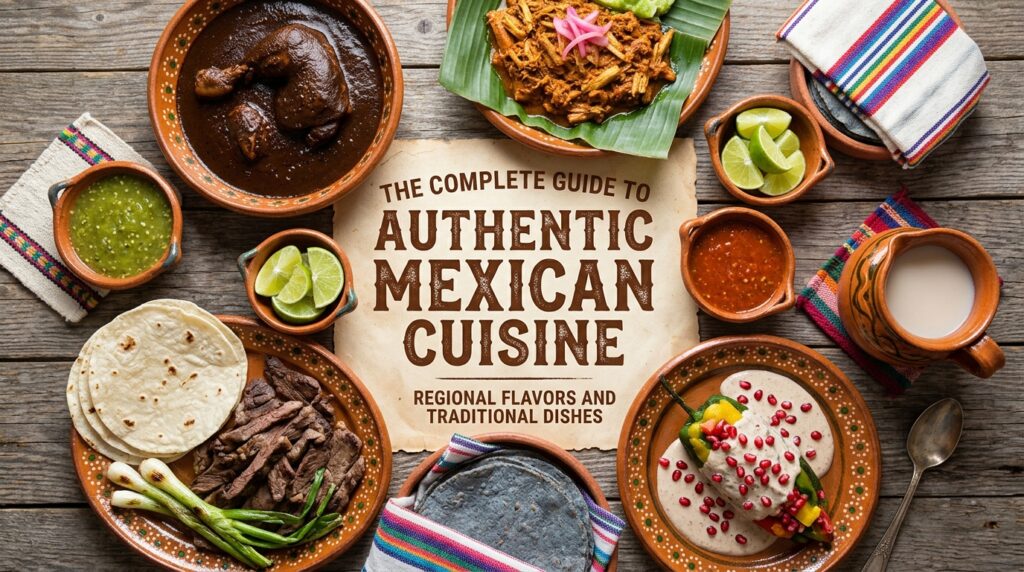
Mexican cuisine is one of the world’s most celebrated culinary traditions, admired for its vibrant flavors, colorful presentation, fresh ingredients, and remarkable regional diversity. Yet despite its global popularity, authentic Mexican food is often misunderstood.
Many people immediately think of tacos, burritos, nachos, or oversized combination plates. While those dishes certainly have their place, traditional Mexican cuisine is far more diverse, deeply rooted in history, and shaped by centuries of cultural evolution.
Every region of Mexico contributes its own ingredients, cooking methods, and signature recipes. Coastal communities specialize in seafood, central states are famous for intricate mole sauces, northern regions celebrate grilled meats, and southern Mexico showcases indigenous techniques that have been preserved for generations.
This extraordinary culinary heritage is so significant that UNESCO recognized traditional Mexican cuisine as an Intangible Cultural Heritage of Humanity, highlighting its cultural importance and centuries-old traditions.
Authentic Mexican food is more than a meal. It’s a reflection of family traditions, regional identity, local agriculture, and celebrations that bring people together around the table.
Whether you’re discovering Mexican cuisine for the first time or looking to deepen your appreciation for traditional recipes, understanding the history, ingredients, and regional specialties behind every dish makes the dining experience even more rewarding.
In this comprehensive guide, you’ll explore the origins of Mexican cuisine, discover the unique flavors of different regions, learn about essential ingredients, and find the traditional dishes that continue to make Mexico one of the world’s greatest culinary destinations.
Authentic Mexican cuisine is a diverse culinary tradition built on fresh ingredients, regional recipes, indigenous cooking methods, and centuries of cultural history. Unlike many Americanized versions of Mexican food, authentic dishes emphasize handmade tortillas, slow-cooked meats, fresh vegetables, complex sauces, and balanced flavors that vary significantly from one region of Mexico to another.
What Makes Mexican Cuisine Truly Authentic?
Authenticity isn’t defined by a single recipe.
It’s defined by tradition.
Authentic Mexican cuisine reflects generations of family recipes, regional ingredients, and cooking techniques that have evolved naturally over hundreds of years.
Rather than relying on excessive cheese, heavy sauces, or oversized portions, traditional Mexican cooking celebrates simplicity, freshness, and balance.
Meals are built around ingredients that complement one another rather than compete for attention.
Fresh herbs brighten rich meats.
Roasted chilies add depth instead of overwhelming heat.
Homemade salsas enhance each bite without masking the natural flavors of the food.
The result is a cuisine that’s layered, complex, and remarkably satisfying.
The Rich History Behind Mexican Cuisine
To truly appreciate authentic Mexican food, it’s important to understand where it began.
Mexican culinary traditions stretch back thousands of years to civilizations including the Maya, Aztec, and Olmec peoples.
Long before European influence arrived, indigenous communities had already developed sophisticated agricultural systems built around ingredients that continue to define Mexican cooking today.
Staple ingredients included:
- Corn
- Beans
- Chili peppers
- Tomatoes
- Squash
- Avocados
- Cacao
- Amaranth
Among these, corn became the foundation of daily life.
It wasn’t simply food.
It was central to culture, religion, and survival.
Traditional techniques such as nixtamalization, which involves soaking and cooking corn in an alkaline solution before grinding it into masa, dramatically improved both flavor and nutrition.
Today, this centuries-old process remains essential for producing authentic tortillas, tamales, sopes, and many other traditional dishes.
How Spanish Influence Shaped Modern Mexican Cuisine
When Spanish explorers arrived during the 16th century, they introduced new ingredients that gradually blended with indigenous traditions.
Among the most influential additions were:
- Beef
- Pork
- Chicken
- Rice
- Wheat
- Garlic
- Onions
- Dairy products
- Herbs and spices from Europe
Rather than replacing native cooking, these ingredients expanded it.
Over time, Mexican cooks combined indigenous techniques with European ingredients, creating entirely new dishes that reflected both cultures while remaining distinctly Mexican.
Many of today’s most iconic recipes, including mole, carnitas, and numerous regional stews, emerged through this centuries-long culinary evolution.
Why Regional Diversity Defines Mexican Cuisine
Unlike cuisines that follow a relatively uniform style nationwide, Mexican food changes dramatically from one region to another.
Climate, geography, agriculture, and local traditions all influence what appears on the table.
Mountain communities prepare meals differently than coastal fishing villages.
Northern ranching regions emphasize grilled meats, while tropical southern states celebrate citrus, seafood, and ancient indigenous recipes.
Understanding these regional differences reveals why authentic Mexican cuisine is one of the most diverse food cultures in the world.
Explore Mexico’s Incredible Regional Cuisines
One of the defining characteristics of authentic Mexican cuisine is its regional diversity.
Mexico is made up of 31 states and Mexico City, each contributing distinctive recipes, ingredients, and cooking traditions shaped by geography, climate, indigenous heritage, and local agriculture.
Understanding these regional differences helps explain why authentic Mexican food is so much more than tacos alone.
Oaxaca: Mexico’s Culinary Capital
Often called the culinary heart of Mexico, Oaxaca is celebrated for preserving traditional cooking techniques passed down through generations.
Its cuisine emphasizes handmade ingredients, slow preparation, and complex flavors.
Signature Dishes
- Mole Negro
- Tlayudas
- Memelas
- Tamales Oaxaqueños
- Chapulines (toasted grasshoppers)
- Quesillo (Oaxacan string cheese)
Famous Ingredients
- Chocolate
- Corn
- Oaxacan cheese
- Avocados
- Chilhuacle peppers
- Epazote
Many culinary experts consider Oaxaca one of the world’s premier food destinations because of its remarkable balance of indigenous traditions and regional innovation.
Puebla: The Birthplace of Iconic Mexican Dishes
Puebla combines Indigenous, Spanish, and Middle Eastern influences into one of Mexico’s most refined regional cuisines.
Its recipes are often complex, requiring numerous ingredients and hours of careful preparation.
Signature Dishes
- Mole Poblano
- Chiles en Nogada
- Cemitas
- Pipián
- Chalupas Poblanas
What Makes Puebla Unique?
Its famous mole sauces can contain:
- Multiple dried chilies
- Chocolate
- Cinnamon
- Sesame seeds
- Nuts
- Tomatoes
- Herbs
- Spices
The result is a rich sauce with extraordinary depth rather than overwhelming heat.
Yucatán: Bright Citrus and Ancient Mayan Influence
The Yucatán Peninsula has one of Mexico’s most distinctive culinary identities.
Many recipes preserve cooking techniques developed by the ancient Maya while incorporating Caribbean and European influences.
Signature Dishes
- Cochinita Pibil
- Panuchos
- Salbutes
- Papadzules
- Sopa de Lima
Signature Ingredients
- Achiote paste
- Sour orange
- Habanero peppers
- Banana leaves
- Citrus marinades
Slow-roasted meats wrapped in banana leaves remain one of the region’s defining traditions.
Veracruz: Mexico’s Seafood Paradise
Located along the Gulf of Mexico, Veracruz combines Spanish, Indigenous, and Afro-Caribbean culinary influences.
Fresh seafood dominates the local menu.
Signature Dishes
- Huachinango a la Veracruzana
- Arroz a la Tumbada
- Seafood Cocktails
- Shrimp Dishes
- Fish Stews
Common Ingredients
- Tomatoes
- Capers
- Olives
- Fresh herbs
- Citrus
- Garlic
The cuisine is lighter than many inland regions while remaining full of vibrant flavor.
Baja California: Fresh Coastal Cuisine
Bordering the Pacific Ocean, Baja California has developed an internationally recognized food culture centered on fresh seafood and innovative cooking.
Popular Specialties
- Fish tacos
- Shrimp tacos
- Ceviche
- Grilled seafood
- Baja-style lobster
The region also benefits from exceptional local produce and one of Mexico’s leading wine-producing areas.
Northern Mexico: Ranching Traditions and Grilled Meats
Northern Mexico is famous for cattle ranching, making grilled meats a defining feature of its cuisine.
Meals often feature simple, high-quality ingredients cooked over open flames.
Signature Dishes
- Carne Asada
- Cabrito
- Machaca
- Flour tortillas
- Grilled sausages
Unlike southern regions, flour tortillas are far more common than corn tortillas in many northern states.
Jalisco: Home of Birria and Tequila
Jalisco has contributed several of Mexico’s most recognizable culinary icons.
Traditional Favorites
- Birria
- Pozole Rojo
- Tortas Ahogadas
- Carne en su Jugo
Jalisco is also the birthplace of tequila, produced from blue agave grown throughout the region.
Its bold yet comforting dishes continue to influence Mexican restaurants worldwide.
Central Mexico: The Everyday Flavors of Traditional Cooking
Central Mexico represents many of the dishes people associate with authentic home cooking.
Meals often emphasize:
- Fresh tortillas
- Beans
- Rice
- Seasonal vegetables
- Slow-cooked meats
- Fresh salsa
This region demonstrates how simple ingredients can create extraordinary flavor through careful preparation.
Essential Ingredients That Define Authentic Mexican Cuisine
Authentic Mexican cooking relies on fresh, locally sourced ingredients that have remained central to the cuisine for centuries.
These ingredients provide the foundation for countless regional recipes.
Corn (Maíz)
Corn is the heart of Mexican cuisine.
It’s transformed into:
- Tortillas
- Tamales
- Gorditas
- Sopes
- Tlacoyos
- Tostadas
Traditional nixtamalized corn creates richer flavor and improved nutritional value.
Beans
Beans provide protein, fiber, and versatility.
Common varieties include:
- Black beans
- Pinto beans
- Peruano beans
Beans appear in soups, side dishes, tacos, burritos, and countless regional specialties.
Chili Peppers
Mexican cuisine uses chilies for complexity, not simply heat.
Popular varieties include:
- Guajillo
- Ancho
- Pasilla
- Chipotle
- Poblano
- Serrano
- Jalapeño
- Habanero
Each contributes unique flavor profiles ranging from smoky and earthy to fruity and mildly sweet.
Fresh Herbs
Herbs brighten traditional recipes naturally.
Frequently used herbs include:
- Cilantro
- Epazote
- Mexican oregano
- Hoja Santa
Each contributes distinct aromas that cannot easily be replaced.
Fresh Produce
Many authentic recipes feature:
- Tomatoes
- Tomatillos
- Onions
- Garlic
- Limes
- Avocados
- Cactus (Nopales)
Fresh vegetables provide balance and vibrant color.
Traditional Mexican Cooking Techniques
Authentic Mexican cuisine depends as much on technique as it does on ingredients.
Slow Cooking
Many traditional meats cook for several hours to develop tenderness and deep flavor.
Examples include:
- Birria
- Barbacoa
- Carnitas
- Cochinita Pibil
Grilling
Open-fire grilling enhances:
- Carne Asada
- Chicken
- Seafood
- Vegetables
Simple seasoning allows ingredient quality to shine.
Stone Grinding
Traditional molcajetes continue to produce fresh:
- Salsa
- Guacamole
- Spice blends
Stone grinding creates texture impossible to duplicate with modern appliances.
Handmade Tortillas
Fresh tortillas remain one of the clearest signs of authentic Mexican cooking.
Their aroma, texture, and flavor elevate every dish.
Authentic Mexican Food vs. Tex-Mex
Many people mistakenly assume these cuisines are identical.
While both are delicious, they developed differently.
| Authentic Mexican Cuisine | Tex-Mex Cuisine |
|---|---|
| Regional traditions | American-Mexican fusion |
| Corn tortillas dominate | Flour tortillas often dominate |
| Fresh herbs | Heavy cheese |
| Complex sauces | Rich cream-based sauces |
| Balanced spices | Bold seasoning blends |
| Handmade tortillas | Larger combination plates |
| Fresh salsa | Yellow cheese dips |
| Regional diversity | More standardized menus |
Both cuisines have loyal fans, but understanding the distinction helps diners better appreciate authentic Mexican culinary traditions.
Common Myths About Authentic Mexican Food
Myth 1: All Mexican Food Is Extremely Spicy
Reality:
Authentic Mexican cuisine values flavor balance. Many dishes are mild, with spicy salsas served separately so diners can adjust heat levels.
Myth 2: Burritos Are the Center of Mexican Cuisine
Reality:
While burritos are popular in northern Mexico, countless traditional dishes such as tamales, pozole, mole, and cochinita pibil are equally important regional staples.
Myth 3: Mexican Food Is Unhealthy
Reality:
Traditional recipes often include lean proteins, beans, vegetables, fresh herbs, avocados, and corn tortillas, creating balanced meals rich in nutrients and flavor.
What Is Authentic Mexican Cuisine?
Authentic Mexican cuisine is a traditional style of cooking built on regional recipes, fresh ingredients, indigenous techniques, and centuries of cultural heritage. It features handmade tortillas, complex sauces, fresh herbs, slow-cooked meats, and distinct regional specialties that vary throughout Mexico.
Expert Insight
The most authentic Mexican meals are rarely defined by a single famous dish. Instead, they reflect the traditions of a specific region, the quality of local ingredients, and cooking methods refined over generations. Appreciating these regional differences transforms a meal into a deeper cultural experience.
Traditional Mexican Desserts You Should Experience
Authentic Mexican cuisine doesn’t end with tacos, enchiladas, or mole.
Desserts hold a special place in Mexican culture, often appearing during family gatherings, religious celebrations, holidays, and community festivals. Many recipes have been passed down for generations, blending Indigenous ingredients with European influences to create sweets that are both comforting and memorable.
Unlike overly sugary desserts, many traditional Mexican treats emphasize cinnamon, vanilla, fresh fruit, chocolate, and caramelized milk for balanced, rich flavors.
Churros
Perhaps the best-known Mexican dessert internationally, churros are long strips of fried dough coated in cinnamon sugar and served warm.
They’re commonly paired with:
- Chocolate dipping sauce
- Dulce de leche
- Cajeta
- Vanilla ice cream
Freshly made churros are crispy on the outside and soft on the inside, making them a favorite for diners of every age.
Tres Leches Cake
One of Mexico’s most beloved desserts, Tres Leches Cake is made by soaking sponge cake in a mixture of three different milks.
The result is a dessert that’s:
- Rich
- Moist
- Light
- Creamy
- Perfect for celebrations
It’s frequently served during birthdays, weddings, and family gatherings.
Flan
Flan is a smooth baked custard topped with caramel sauce.
Its silky texture and balanced sweetness have made it one of the most recognizable desserts throughout Latin America.
Arroz con Leche
Rice pudding may seem simple, but authentic Mexican Arroz con Leche showcases the importance of comfort food in Mexican homes.
Typically prepared with:
- Rice
- Milk
- Cinnamon
- Vanilla
- Raisins (optional)
It’s often enjoyed warm with family after dinner.
Buñuelos
Buñuelos are thin, crispy fried pastries dusted with cinnamon sugar or drizzled with syrup.
They’re especially popular during Christmas and New Year’s celebrations across Mexico.
Traditional Mexican Beverages That Complement Every Meal
Beverages are just as important as food in Mexican dining culture.
Whether you’re enjoying lunch with family or celebrating a special occasion, the right drink enhances every dish.
Agua Frescas
Fresh fruit drinks made with water, fruit, and a touch of natural sweetness.
Popular flavors include:
- Hibiscus (Jamaica)
- Tamarind
- Horchata
- Watermelon
- Mango
- Pineapple
They’re refreshing, flavorful, and perfect alongside spicy dishes.
Horchata
Made with rice, cinnamon, vanilla, and milk, Horchata offers a cool, creamy contrast to savory Mexican cuisine.
Its subtle sweetness makes it a favorite year-round.
Mexican Hot Chocolate
Traditional Mexican chocolate differs significantly from many commercial versions.
Prepared with:
- Real chocolate
- Cinnamon
- Milk
- Occasionally chili
- Vanilla
It delivers a rich, comforting flavor rooted in centuries-old traditions.
Coffee From Mexico
Mexico produces exceptional coffee, particularly in regions such as:
- Chiapas
- Veracruz
- Oaxaca
These coffees are known for balanced acidity and complex flavor profiles that pair beautifully with traditional desserts.
Margaritas and Traditional Cocktails
For adults, classic Mexican beverages include:
- Margaritas
- Palomas
- Micheladas
- Tequila-based cocktails
- Mezcal cocktails
When crafted with fresh citrus and quality ingredients, they complement authentic Mexican cuisine without overpowering it.
Mexican Dining Is About More Than Food
In Mexico, meals are rarely rushed.
Dining is viewed as an opportunity to connect with family, celebrate traditions, and enjoy meaningful conversation.
Guests often linger long after the meal has ended, sharing stories over dessert or coffee.
This relaxed approach transforms dining into an experience rather than simply another part of the day.
That same sense of hospitality is one of the defining characteristics of authentic Mexican restaurants.
How to Recognize an Authentic Mexican Restaurant
Not every restaurant offering tacos or burritos serves authentic regional Mexican cuisine.
If you’re searching for a genuine dining experience, look for signs that reflect traditional cooking methods and ingredients.
Fresh, House-Made Salsas
Authentic restaurants typically prepare salsa fresh each day using roasted tomatoes, chilies, onions, garlic, cilantro, and lime.
Different salsa varieties often accompany different dishes.
Handmade or Traditional Tortillas
Fresh tortillas dramatically improve texture and flavor.
Whether made in-house or sourced from traditional producers, quality tortillas are a hallmark of authentic Mexican cooking.
Regional Specialties
A truly authentic menu usually extends beyond familiar favorites.
Look for dishes such as:
- Pozole
- Mole
- Birria
- Cochinita Pibil
- Chiles en Nogada
- Tlayudas
- Carnitas
Regional specialties demonstrate a deeper connection to Mexico’s culinary heritage.
Fresh Ingredients
Authentic Mexican cooking relies on:
- Fresh herbs
- Seasonal vegetables
- Citrus
- Traditional spices
- Slow-cooked meats
- House-made sauces
Ingredient quality is often more important than elaborate presentation.
Knowledgeable Staff
Servers who understand regional dishes, ingredients, and preparation methods help create a richer dining experience.
They can recommend pairings, explain unfamiliar dishes, and guide guests toward meals they’ll genuinely enjoy.
The Health Benefits of Authentic Mexican Cuisine
Many people are surprised to learn that traditional Mexican food can be part of a balanced diet.
Unlike heavily processed fast-food versions, authentic recipes often emphasize fresh ingredients and balanced portions.
Common nutritional benefits include:
Lean Proteins
Many dishes feature:
- Grilled chicken
- Seafood
- Lean beef
- Beans
These provide protein that supports energy and muscle health.
Fiber-Rich Ingredients
Traditional meals often include:
- Beans
- Corn
- Vegetables
- Avocados
These foods contribute fiber, helping support digestion and long-lasting fullness.
Healthy Fats
Avocados, seeds, and olive oil provide heart-healthy fats while adding richness to many dishes.
Fresh Herbs and Vegetables
Ingredients like cilantro, tomatoes, onions, peppers, and lime contribute vitamins, minerals, antioxidants, and vibrant flavor without relying on heavy sauces.
Seasonal and Festival Foods Across Mexico
Mexican cuisine evolves throughout the year as different holidays and celebrations introduce special dishes prepared only during certain seasons.
Day of the Dead
Families prepare:
- Pan de Muerto
- Tamales
- Atole
- Traditional sweets
to honor loved ones and celebrate their memory.
Christmas
Holiday meals commonly feature:
- Bacalao
- Romeritos
- Pozole
- Buñuelos
- Tamales
prepared for large family gatherings.
Independence Day
Many households celebrate with patriotic dishes such as:
- Chiles en Nogada
- Pozole
- Tostadas
- Traditional desserts
These seasonal traditions reinforce the strong connection between Mexican cuisine and cultural identity.
Quick Summary
Authentic Mexican cuisine is much more than a collection of famous dishes.
It’s a centuries-old culinary tradition built upon:
- Regional diversity
- Fresh ingredients
- Handmade tortillas
- Traditional cooking techniques
- Family recipes
- Cultural celebrations
- Rich culinary history
- Balanced flavors
- Seasonal specialties
- Warm hospitality
Exploring authentic Mexican food means experiencing the stories, traditions, and communities behind every recipe.
Conclusion
Authentic Mexican cuisine is one of the world’s richest culinary traditions because it combines history, regional diversity, fresh ingredients, and generations of family knowledge into every meal.
From the mole sauces of Puebla and the seafood of Veracruz to the slow-roasted meats of Yucatán and the grilled specialties of Northern Mexico, every region contributes unique flavors that reflect its people and culture.
Understanding these traditions helps diners appreciate that authentic Mexican food is far more than tacos or burritos. It’s a celebration of craftsmanship, hospitality, and ingredients that have nourished communities for centuries.
Whether you’re trying traditional dishes for the first time or rediscovering longtime favorites, choosing a restaurant that values authenticity allows you to experience the true depth of Mexican cuisine one bite at a time.
Frequently Asked Questions
What is authentic Mexican cuisine?
Authentic Mexican cuisine is a traditional style of cooking that uses regional recipes, fresh ingredients, Indigenous techniques, and centuries-old culinary traditions. It differs significantly across Mexico’s regions and emphasizes balanced flavors over excessive spice or cheese.
What is the difference between authentic Mexican food and Tex-Mex?
Authentic Mexican cuisine focuses on regional ingredients, handmade tortillas, fresh herbs, and traditional cooking methods. Tex-Mex blends Mexican and American influences and often features more cheese, flour tortillas, and combination plates.
What are the most famous traditional Mexican dishes?
Some of the best-known traditional dishes include mole, pozole, tamales, birria, carnitas, cochinita pibil, chiles en nogada, tlayudas, and tacos al pastor.
Is authentic Mexican food spicy?
Not necessarily. Authentic Mexican cuisine prioritizes flavor, aroma, and balance. Many dishes are mild, while spicy salsas are often served separately so guests can customize the heat level.
What ingredients are most important in Mexican cooking?
Staple ingredients include corn, beans, chili peppers, tomatoes, tomatillos, avocados, onions, garlic, cilantro, Mexican oregano, and traditional spices that vary by region.
Where can I experience authentic Mexican cuisine in New Port Richey?
Look for restaurants that prepare fresh salsas, use traditional ingredients, offer regional specialties, and focus on authentic cooking techniques rather than heavily Americanized recipes.
Experience Authentic Mexican Flavors Close to Home
You don’t have to travel across Mexico to enjoy its incredible culinary traditions. A restaurant dedicated to authentic recipes, fresh ingredients, and genuine hospitality can bring the flavors of Oaxaca, Puebla, Veracruz, Yucatán, and beyond to your table.
Whether you’re joining family for dinner, introducing friends to regional specialties, or celebrating a special occasion, choosing an authentic Mexican restaurant in New Port Richey allows you to experience the depth, diversity, and warmth that have made Mexican cuisine one of the world’s most beloved food traditions.
Contact Taco Tequila Co. to reserve your table and experience authentic Mexican flavors in New Port Richey.